Replacing University Bus Systems with Turnkey EV Microtransit: The Case for Change
The Case for Replacing University Bus Systems with Turnkey EV Microtransit
Turnkey EV microtransit is a comprehensive transportation service that combines electric vehicles, professional drivers, software dispatch systems, maintenance, and insurance under one operator to replace or supplement traditional fixed-route bus systems on university campuses. According to the American Public Transportation Association, college students rank campus safety and transportation convenience among their top institutional concerns, yet many universities operate aging bus fleets that struggle to meet demand. Traditional university bus systems are capital-intensive, labor-heavy, and often underutilized outside peak times, creating massive operational inefficiencies and environmental costs that don't align with modern campus expectations or climate commitments.
Turnkey EV microtransit solves this problem by shifting from fixed routes and schedules to demand-responsive service powered by electric vehicles. A university contracts with a single operator who provides everything: the vehicles, the drivers, the technology platform, insurance, maintenance, and dispatch management. This is fundamentally different from traditional transit management, where universities buy buses, hire staff, and manage operations internally.
The result is lower total cost of ownership, faster response times, better student safety, cleaner air, and a campus transportation experience that actually works for how students live and move today.
The Economics: Why Turnkey Operations Beat In-House Bus Systems
A typical university bus system requires significant upfront capital investment. A full-size transit bus costs between $300,000 and $500,000. A university operating a 10-bus fleet with dedicated staff, maintenance facilities, fuel, insurance, and administrative overhead easily spends $2 to $4 million annually. Most of that spending happens regardless of ridership levels.
Turnkey EV microtransit flips this model to operational expense. Universities pay one flat monthly fee that covers vehicles, drivers, insurance, maintenance, fuel (electricity), and the technology platform. There are no capital outlays, no procurement cycles, and no hidden per-ride charges. Slidr, for example, launches campus operations in 45 to 60 days. A traditional bus system procurement takes 18 to 36 months.
The efficiency gains compound quickly. A microtransit vehicle carrying 6 to 12 passengers on demand-responsive routes serves far more trips per vehicle per day than a 40-seat bus running fixed routes with empty seats. This is the core economic advantage: higher utilization rates and lower cost per ride.
Student Safety and Experience
Campus safety after dark is a persistent challenge. Many universities respond with late-night shuttles, but fixed routes mean students wait at distant stops in dangerous conditions. Demand-responsive microtransit brings vehicles to students where they are, reducing wait times to 5 to 15 minutes and limiting exposure risk.
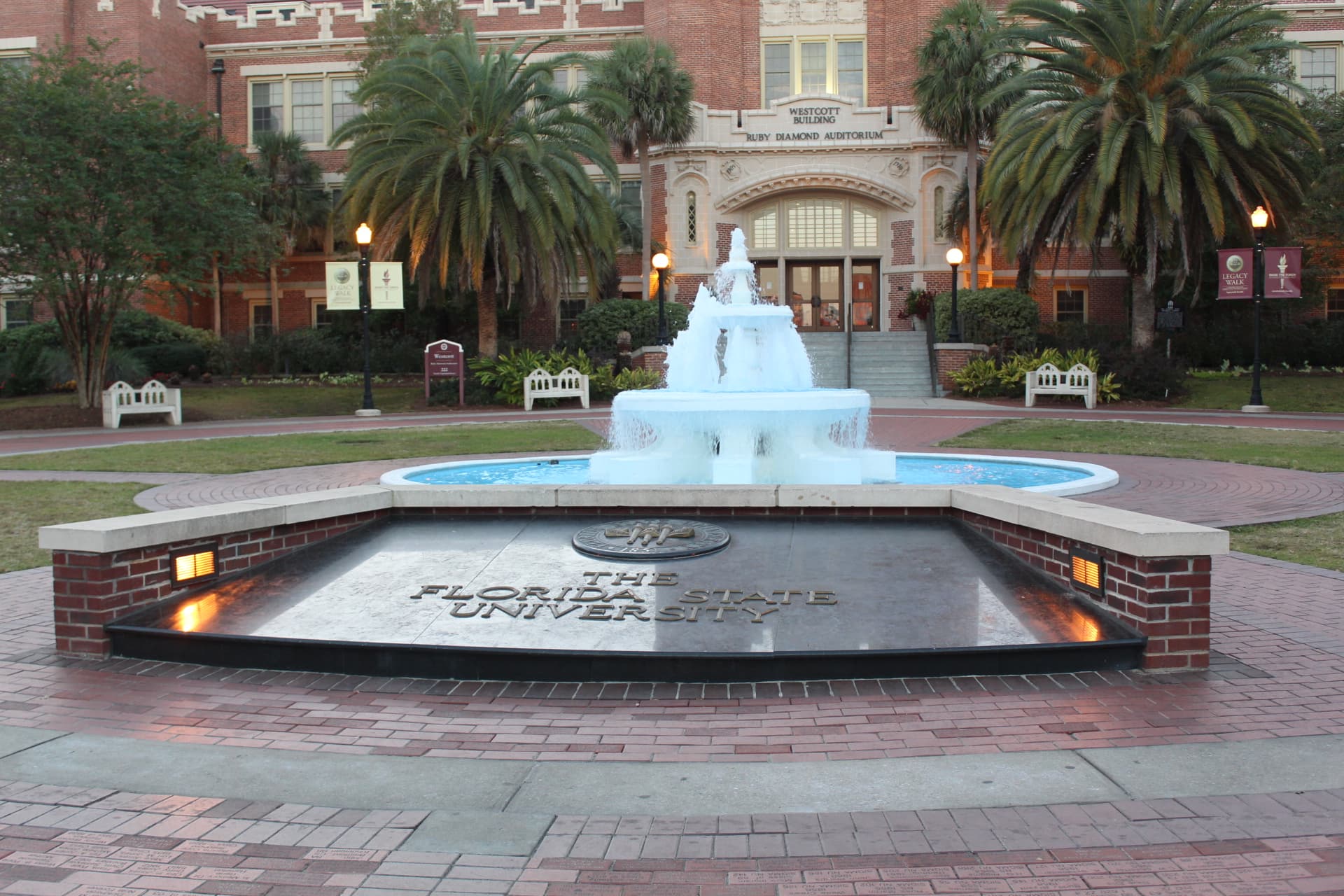
At Catawba College in Salisbury, North Carolina, the CatawbaGO microtransit program served 4,520 rides in fall 2025. Ridership data showed heavy evening use, reflecting student demand for safe late-night transportation. FSU Safe Ride, operated by Slidr in Tallahassee, demonstrates similar patterns: students use the service most when they need it most, and the system adapts to demand instead of forcing students to adapt to fixed schedules.
The app experience matters too. Students can request a ride in real time, see vehicle location, and receive accurate arrival estimates. This eliminates schedule anxiety and no-shows. Many traditional bus systems still rely on paper schedules and phone-based information.
Environmental Impact and Sustainability Goals
Most universities have committed to carbon neutrality by 2050 or earlier. A fleet of electric microtransit vehicles directly supports these goals. A full-size diesel bus emits approximately 7 to 9 tons of CO2 per year. A 10-bus fleet operating on campus generates 70 to 90 tons of emissions annually just for student transportation.
Electric vehicles eliminate tailpipe emissions entirely. At scale, they also reduce total operational emissions because they use less energy per passenger mile than fixed-route buses with typical load factors. A university replacing even one traditional bus with electric microtransit removes 7 to 9 tons of annual emissions and demonstrates commitment to sustainability that resonates with prospective students and donors.
Many universities market their sustainability credentials hard. Electric microtransit is one of the most visible, most frequently used sustainability initiatives on campus. Students interact with it daily.
Real-World Performance: What the Data Shows
The case for microtransit isn't theoretical. Multiple deployments across universities and communities show consistent results.
At Oberlin, Ohio, a single Slidr vehicle accumulated 28,264 passenger trips in 12 months of operation. That equals roughly 108 passenger trips per day from one small vehicle, serving demand that traditional fixed-route systems would require multiple buses to cover. This illustrates the utilization advantage of demand-responsive service.
UNA Roar Ride in Florence, Alabama, launched with 8,448 riders in its first operating period. When the program team analyzed ridership data and adjusted vehicle placement and availability, ridership doubled in the subsequent period. This responsiveness is nearly impossible with fixed-route systems. You can't quickly pivot a bus route based on demand; you can add vehicles or adjust timing in a microtransit network within days.
Cove Inn in Naples, Florida, achieved 749 riders in its first month of operation with 5-minute average wait times. While this example comes from a hospitality setting rather than a university, it demonstrates that smaller, responsive electric vehicles efficiently serve clustered demand where traditional transit doesn't.
Comparison Table: Traditional Bus Systems vs. Turnkey EV Microtransit
| Factor | Traditional Bus System | Turnkey EV Microtransit |
|---|---|---|
| Capital Investment | $3-5M upfront for fleet, facility, tech | $0. Monthly operational expense only |
| Launch Timeline | 18-36 months | 45-60 days |
| Annual Operating Cost (typical) | $2-4M for 10-bus fleet | $400K-$800K for comparable coverage (fleet-size dependent) |
| Service Type | Fixed routes, fixed schedules | Demand-responsive, real-time |
| Average Wait Time | 10-20 minutes (scheduled) | 5-15 minutes (on-demand) |
| Annual Emissions (10-vehicle equiv.) | 70-90 tons CO2 (diesel) | 0 tailpipe emissions (electric) |
| Staff Responsibility | University owns hiring, training, payroll | Operator manages all staffing |
| Adaptability to Demand Changes | Slow (requires route redesign) | Fast (adjust vehicles, timing in days) |
Frequently Asked Questions
What happens if a turnkey operator goes out of business or doesn't perform?
A professional microtransit operator has contractual service level agreements (SLAs) that guarantee vehicle availability, response times, and driver training standards. If the operator fails to meet those terms, the contract includes remedies, penalties, and termination clauses. The operator's reputation and business model depend on reliability; a university can also build in termination fees and transition periods. This is actually lower risk than running an in-house bus system where the university absorbs all operational and financial risk itself.
Can microtransit really handle peak demand like game days or move-in weekend?
Yes, with proper planning. A turnkey operator can add vehicles temporarily, adjust service hours, and coordinate with university events teams. Many universities contract for a base fleet level that covers daily demand, then add vehicles during peak periods. Slidr's deployments across multiple campuses show that the platform scales efficiently, and the operator manages surge demand as part of the standard service model.
How does the operator make money if the fee is flat and there's no per-ride charge?
Turnkey operators earn revenue from the monthly subscription fee, which is structured to cover vehicle costs, driver wages, fuel, insurance, maintenance, and profit. The business model rewards operational efficiency: the operator that minimizes waste, maximizes vehicle utilization, and reduces accidents increases margins. This creates alignment: the operator's profit depends on delivering good service efficiently, not on finding hidden charges or cutting corners.
The Path Forward
Traditional university bus systems were designed for a different era of campus life. They assume predictable schedules, fixed commute patterns, and student acceptance of long waits. Modern students expect flexibility, safety, and seamless digital experiences. They want transportation that adapts to their lives, not the reverse. Turnkey EV microtransit operates under this modern assumption and delivers lower costs, faster implementation, better student experience, safer late-night service, and genuine progress toward climate goals. Universities that move toward demand-responsive electric microtransit will find they've solved multiple institutional priorities at once.