 Slidr Team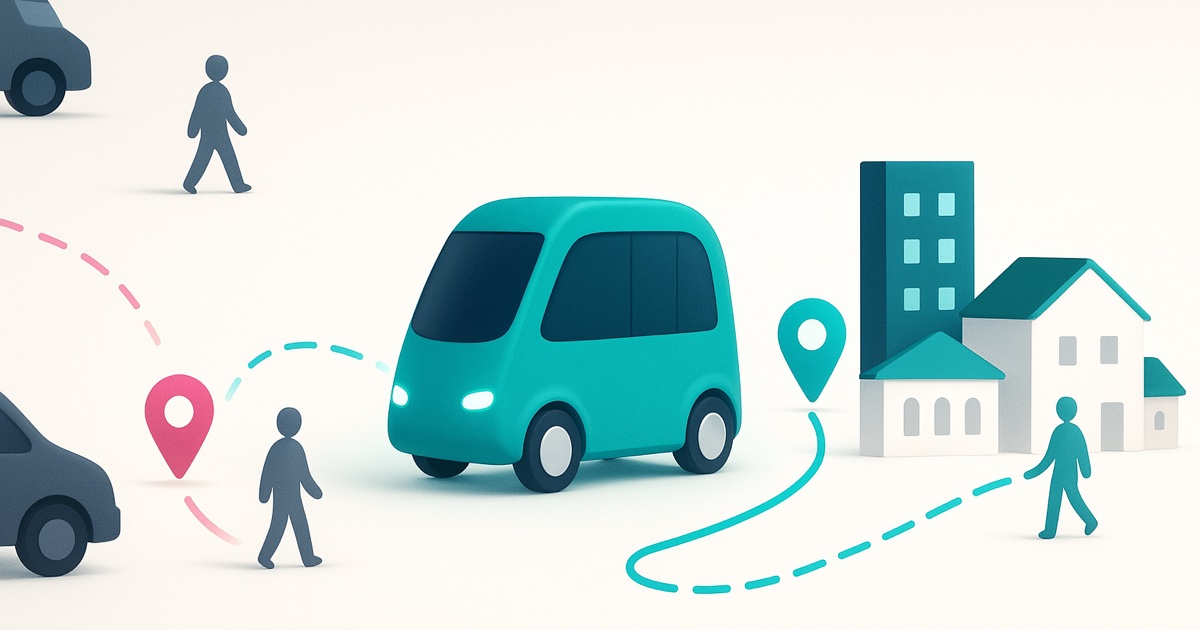
What is microtransit? On-demand shared rides using smaller vehicles and smart routing technology. Learn how it works for universities, hotels, and communities.
Microtransit is a form of on-demand, shared transportation that uses smaller vehicles and technology-driven routing to serve passengers within a defined zone, rather than along a fixed route with predetermined stops. It fills the gap between traditional public transit and private rideshare by offering flexible, affordable rides that adapt to real-time demand. The U.S. microtransit market is growing, driven by rising operational costs of fixed-route systems and growing demand for last-mile connectivity. For transit agencies, universities, hotels, and planned communities, microtransit represents a practical way to move people efficiently without the overhead of building permanent infrastructure.
How Microtransit Differs from Traditional Transit
Traditional transit operates on fixed routes with scheduled stops. A bus runs the same path whether it is full or nearly empty. Microtransit flips that model by routing vehicles dynamically based on where riders actually need to go.
Instead of designated stops along a line, microtransit typically operates within a geographic zone. Riders request a pickup through a mobile app or phone call, and the system's routing algorithm groups nearby requests together to create efficient multi-passenger trips. This zone-based approach means the vehicle comes to you, or close to you, rather than requiring you to walk to a distant stop.
The vehicles themselves are smaller. Rather than full-size buses, microtransit services commonly use shuttles, vans, or low-speed electric vehicles that seat far fewer passengers. Smaller vehicles cost less to operate, navigate tighter roads more easily, and match capacity to actual demand without running oversized equipment during off-peak hours.
Fixed-route transit excels at moving large volumes of people along high-density corridors. Microtransit excels in areas where demand is dispersed, variable, or concentrated during specific hours. The two are complementary, not competitive. Many transit agencies deploy microtransit as a first-mile and last-mile connector that feeds passengers into their existing fixed-route network.
The Rise of Electric Microtransit
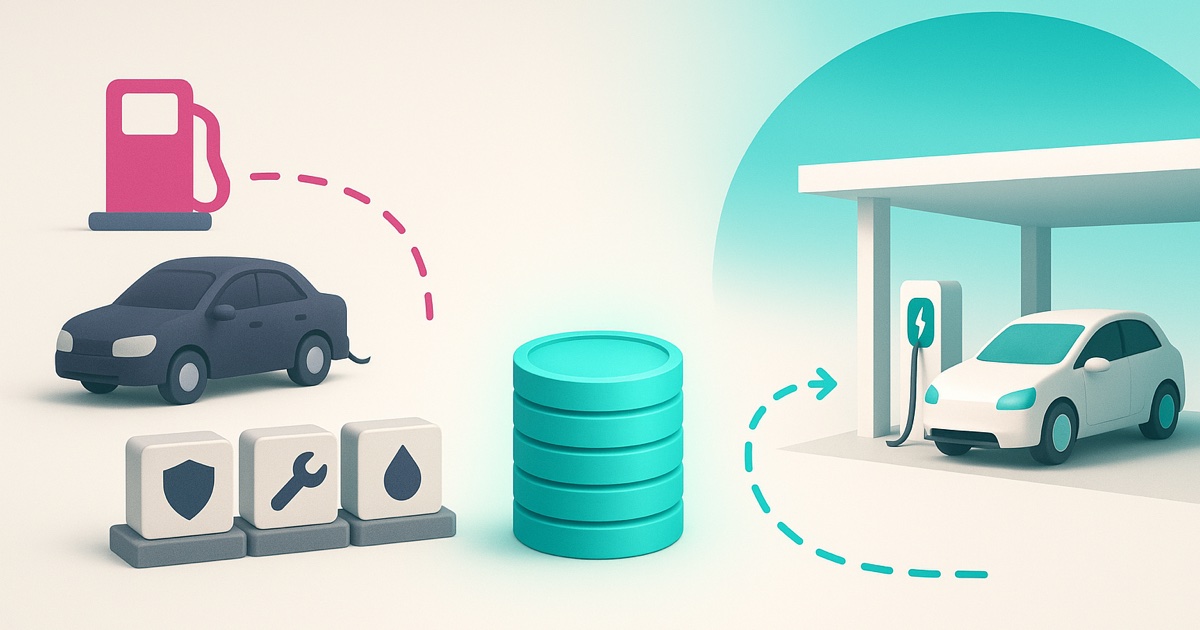
Electric vehicles are becoming the default choice for new microtransit deployments, and the economics explain why. Battery-electric shuttles and low-speed vehicles eliminate fuel costs entirely, which translates to substantially lower energy costs compared to gasoline or diesel equivalents.
The maintenance math is equally compelling. Electric drivetrains have far fewer moving parts than internal combustion engines. There are no oil changes, no transmission repairs, no exhaust system replacements. For a service that may run most of the day, reduced maintenance downtime means more vehicles available to serve riders.
Sustainability matters to the organizations deploying microtransit. Universities report on carbon emissions to their boards and accreditors. Hotels market eco-friendly amenities to guests. Municipalities track environmental impact as part of climate action plans. Electric microtransit supports all of these goals with zero tailpipe emissions during operation.
There is also a rider experience advantage. Electric vehicles are significantly quieter than their gas-powered counterparts. On a university campus at night or in a resort community, that reduced noise footprint is a genuine quality-of-life benefit for both riders and nearby residents.
Where Microtransit Is Being Deployed
Microtransit is not theoretical. It is running today across a range of environments, each with distinct operational demands and ridership patterns.
Universities
Campus transit is one of the strongest use cases for microtransit. Students need safe, reliable rides during evening and late-night hours when fixed-route campus buses typically stop running. Florida State University's FSU Safe Ride program provides on-demand safe rides across campus and surrounding areas, giving students a dependable alternative to walking alone or relying on personal vehicles.
At Catawba College in North Carolina, the CatawbaGO service logged 13,696 rides from Aug 20, 2025 to Sep 30, 2026 (as of September 2026). For a smaller institution, that volume demonstrates genuine adoption, not just novelty. The University of North Alabama's Roar Ride program served 8,448 riders over the academic year, with ridership doubling in the second semester after Slidr shifted more of the fleet to on-demand service.
Hotels and Resorts
Hospitality operators are discovering that microtransit solves a persistent guest experience problem. The Cove Inn in Naples, Florida launched an on-demand shuttle service that completed 1,136 rides and carried 2,626 passengers from March 4 to September 27, 2026 (as of September 2026). For a boutique property, that level of utilization signals that guests genuinely value convenient, on-demand transportation to nearby dining, shopping, and attractions.
Planned Communities
Master-planned communities and active adult neighborhoods often cover large geographic areas with limited walkability. Residents need transportation to clubhouses, amenity centers, commercial areas, and medical facilities. Microtransit serves these needs without requiring the community to build and maintain a fixed-route shuttle that runs empty most of the day.
Municipalities
The City of Oberlin, Ohio provides one of the most striking examples of microtransit efficiency. A single vehicle served 28,264 passengers over 12 months. That figure demonstrates what is possible when a well-designed service meets genuine community need. For small and mid-size cities that cannot justify the cost of a full fixed-route bus system, microtransit offers a realistic path to public transportation.
Airports
Airport ground transportation is evolving beyond taxis and rental car shuttles. Microtransit can serve employee transportation between terminals, parking lots, and off-site facilities. It can also connect passengers to nearby hotels and transit hubs, reducing congestion in terminal pickup zones.
What a Turnkey Microtransit Provider Does
Organizations considering microtransit face a fundamental build-versus-buy decision. The DIY approach means purchasing or leasing vehicles, hiring and managing drivers, securing commercial insurance, handling maintenance and fueling, building or licensing a rider app, setting up a dispatch system, and generating operational reports. Each of those components carries its own complexity, cost, and risk.
A turnkey microtransit provider bundles all of those elements into a single managed service. The provider supplies the vehicles, employs the drivers, carries the insurance, manages maintenance, operates the technology platform, handles dispatch, and delivers reporting dashboards to the client. The client defines the service parameters (zones, hours, eligibility) and the provider executes.
This model significantly reduces the barrier to entry. A university transportation director does not need to become a fleet manager. A hotel general manager does not need to build a tech stack. They define what they need, and the provider delivers it.
Slidr operates this turnkey model across universities, hospitality properties, and municipalities. The approach allows clients to launch service in weeks rather than months, because the provider already has the operational infrastructure in place. If ridership grows or service zones need to change, adjustments happen on the provider side without requiring the client to hire additional staff or purchase new equipment.
The turnkey model also addresses one of the most common failure points in transit programs: driver recruitment and retention. Managing a workforce of drivers involves background checks, drug testing, training, scheduling, and ongoing HR administration. For organizations whose core mission is education, hospitality, or governance, that operational burden can be a dealbreaker. Outsourcing it to a specialist removes the distraction.
Real-World Microtransit Results
The value of microtransit is best measured in outcomes, not promises. Here are verified results from Slidr deployments, current and past.
Florida State University's FSU Safe Ride program has established itself as a campus safety and mobility resource, providing thousands of safe rides during late-night hours when students are most vulnerable. The program operates as a trusted part of FSU's campus transportation ecosystem.
Catawba College's CatawbaGO recorded 13,696 rides from Aug 20, 2025 to Sep 30, 2026 (as of September 2026). The service has become integrated into daily campus life rather than serving as an occasional convenience.
The Cove Inn shuttle in Naples averaged 9.2 rides per service day from March 4 to September 27, 2026 (as of September 2026). Guest satisfaction with the transportation amenity has been high, and the service effectively extends the property's footprint to surrounding attractions without requiring guests to navigate parking or unfamiliar roads.
Oberlin, Ohio's single-vehicle service transported 28,264 passengers in 12 months. That is a utilization rate on one vehicle that many fixed-route systems with larger fleets would find difficult to match on a per-vehicle basis.
The University of North Alabama's Roar Ride saw ridership double after first-semester data led Slidr to shift more of the fleet to on-demand service. This highlights an underappreciated advantage of microtransit: the data it generates allows operators to continuously refine service to match actual demand patterns.
Microtransit vs. Fixed-Route Bus vs. Rideshare
| Feature | Microtransit | Fixed-Route Bus | Rideshare |
|---|---|---|---|
| Flexibility | High. Routes adjust dynamically based on real-time rider requests within a defined zone. | Low. Vehicles follow predetermined routes and schedules regardless of demand. | High. Point-to-point service on demand, but no shared routing optimization. |
| Cost Structure | Moderate. Shared rides lower per-passenger cost. Turnkey models offer predictable monthly pricing. | High fixed costs. Requires infrastructure investment, large vehicles, and full-time operators. | High per-ride cost. Surge pricing common during peak hours. |
| Environmental Impact | Low, especially with electric vehicles. Smaller vehicles and shared rides reduce per-passenger emissions. | Moderate. Efficient at high occupancy, but large diesel buses running below capacity produce significant emissions per rider. | High. Single-occupancy trips and deadhead miles between fares increase per-ride emissions. |
| Deployment Speed | Fast. Turnkey providers can launch service in weeks with no infrastructure buildout. | Slow. Requires route planning, stop construction, vehicle procurement, and regulatory approvals. | Immediate for riders, but availability depends on driver supply in the area. |
| Operator Requirements | Minimal with a turnkey provider. The client defines zones and hours; the provider handles operations. | Significant. Requires trained operators, dispatchers, maintenance crews, and administrative staff. | None for the organization. However, the organization has no control over driver quality or availability. |
| Scalability | High. Add vehicles and expand zones incrementally based on demand data. | Low. Expanding routes requires new infrastructure, vehicles, and regulatory processes. | Variable. Scales with driver availability, which the organization cannot control. |
Frequently Asked Questions
How quickly can a university launch a microtransit program, and what does it take to get started?
With a turnkey provider, most university programs launch in 30 to 45 days. The university defines the service zone, operating hours, and rider eligibility. The provider handles vehicle procurement, driver staffing, insurance, and technology setup. There is no need to issue an RFP for a custom app build or hire a fleet manager. Programs like CatawbaGO and Roar Ride followed this model.
Can microtransit work as a guest amenity at a hotel without requiring a large upfront investment?
Yes. Turnkey microtransit is structured as an ongoing service rather than a capital purchase. The hotel pays a predictable monthly rate that covers the vehicle, driver, insurance, and technology. The Cove Inn in Naples launched its service with no vehicle purchase and no new hires, and it was serving guests within weeks. With 1,136 rides completed from March 4 to September 27, 2026 (as of September 2026), the service delivered value without balance sheet risk.
What data does a microtransit program provide, and how do we know if it is working?
Modern microtransit platforms generate detailed reporting on ridership volume, peak demand times, average wait times, route efficiency, and rider satisfaction. This data allows operators to make evidence-based adjustments. The University of North Alabama's Roar Ride used first-semester data to shift more of its fleet to on-demand service, and ridership doubled in the second semester. That feedback loop between data and operational decisions is one of microtransit's most valuable features.
Looking Ahead
Microtransit in 2026 is no longer an experiment. It is an operational reality serving tens of thousands of riders across campuses, communities, and commercial properties. As electric vehicle costs continue to decline and routing algorithms grow more sophisticated, the economics will only improve. The organizations adopting microtransit now are building ridership data and operational knowledge that will compound over time, positioning them to scale service efficiently as demand grows. For communities that have long been underserved by traditional transit, microtransit offers something that was previously out of reach: reliable, flexible, affordable transportation that actually fits how people live and move.