 Slidr Team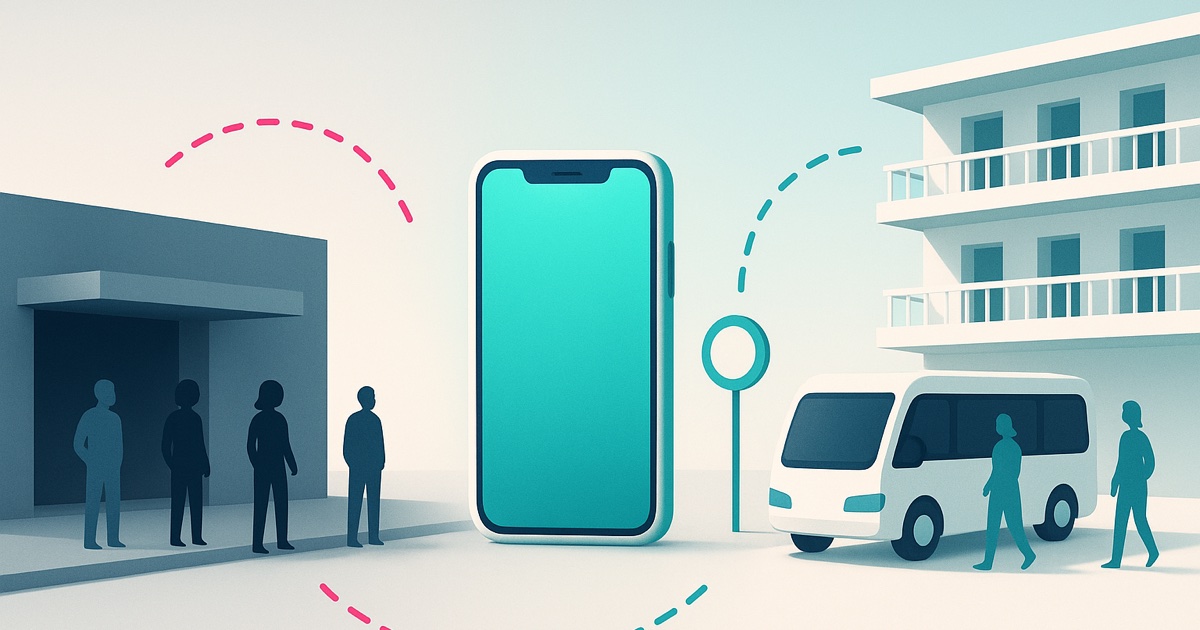
Everything property managers need to know about evaluating, implementing, and optimizing a resort shuttle program that delights guests and improves the bottom line.
Running a successful resort means managing dozens of moving parts, and guest transportation is one that too many property managers treat as an afterthought. A well-executed shuttle program does more than get people from point A to point B. It shapes first impressions, reduces parking headaches, opens revenue opportunities at off-site amenities, and creates the kind of seamless experience that generates five-star reviews.
This guide walks through every dimension of building a resort transportation program, from selecting the right vehicles to measuring ROI after launch.
Fleet Selection: Matching Vehicles to Your Property
The first decision is the most visible one: what vehicles will your guests ride in? The answer depends on property size, terrain, climate, and brand positioning. A large beachfront resort has very different needs than a small mountain lodge.
Low-speed electric vehicles (LSVs) are rapidly becoming the default choice for resort environments. They operate quietly, produce zero tailpipe emissions, and cost far less to maintain than gasoline-powered shuttles over time. Their modest top speed is well-suited to on-property roads and nearby commercial districts. For properties with routes that span faster public roads, street-legal neighborhood electric vehicles (NEVs) or full-speed electric vans may be more appropriate.
Fleet size is a common stumbling block. As a rule of thumb, on-demand service needs more vehicles per room than a fixed-route program. Peak-hour demand modeling, which any experienced transit partner can provide, will set the right fleet size for your specific property.
Route Planning and Scheduling
Route design should start with guest behavior data, not a map. Where do guests actually want to go, and when? Pull data from concierge logs, front desk inquiries, rideshare pickup patterns, and guest surveys. Common high-demand routes include airport or rail station connections, nearby dining and entertainment districts, beach access points, golf courses, and spa facilities.
Fixed routes work best for high-volume corridors with predictable demand. On-demand service works best for low-volume periods and destinations that guests visit sporadically. Many of our most successful resort partners run a hybrid model: fixed loops during peak hours and on-demand service during off-peak windows, including late-night returns from restaurants and bars.
Scheduling should account for seasonal variation. A Florida resort might run extended hours December through April and reduce frequency in the summer shoulder season. A mountain property might flip that pattern entirely. Build your schedule around occupancy forecasts, and revisit it quarterly.
Driver Training and Guest Experience Standards
Drivers are brand ambassadors. They are often the first and last staff members a guest interacts with during a stay. Training should go well beyond safe vehicle operation to include hospitality fundamentals: greeting guests by name when possible, offering assistance with luggage, providing local recommendations, and maintaining a clean vehicle interior at all times.
- Require a thorough, structured training program covering vehicle operation, hospitality standards, emergency procedures, and ADA accommodation protocols.
- Conduct monthly ride-along evaluations with a standardized scorecard.
- Establish a uniform and grooming standard consistent with the property's brand.
- Empower drivers to resolve minor guest issues on the spot, such as offering a complimentary water bottle or adjusting a route for a guest with mobility concerns.
Properties that invest in driver training consistently report higher guest satisfaction scores. One Slidr partner resort saw its transportation-related TripAdvisor mentions go from neutral to overwhelmingly positive within months of implementing a structured training program.
Guest Communication and App Integration
The best shuttle program in the world fails if guests do not know about it. Communication should start before arrival. Include transportation details in confirmation emails, pre-arrival messaging, and your website's FAQ section. At check-in, front desk staff should explain the shuttle system and help guests download the rider app if applicable.
A mobile app with real-time vehicle tracking, estimated arrival times, and one-tap ride requests has become a baseline expectation at upscale properties. Slidr's white-label app platform allows resorts to offer this under their own brand, so the experience feels native to the property rather than bolted on from a third party.
Digital signage at shuttle stops showing live ETAs reduces perceived wait times and eliminates the most common guest complaint: not knowing when the next vehicle is coming.
Cost Structure and Financial Planning
Resort shuttle programs can be structured several ways financially. The most common models include fully managed service (where the transit partner handles vehicles, drivers, maintenance, and technology for a flat monthly fee), vehicle-only leasing (where the property supplies its own drivers), and hybrid arrangements.
The cost of a fully managed electric shuttle program is driven by fleet size, service hours, vehicle type, and service model, so a mid-size resort running several vehicles on long daily schedules is priced very differently from a property running a single vehicle part of the day. A fully managed program covers vehicle lease, driver labor, charging infrastructure, insurance, maintenance, and technology. Maintaining a small gasoline fleet with in-house drivers routinely costs more once all costs are properly allocated. Discuss your project.
Measuring Success
Track these metrics monthly to evaluate your program's performance:
- Ridership per room night (rides per occupied room per day)
- Average wait time (target: short and predictable for both on-demand and fixed route)
- Guest satisfaction score specific to transportation
- Cost per ride, tracked over time as ridership grows
- Impact on parking lot utilization and valet demand
A shuttle program is not a cost center when managed properly. It reduces valet staffing needs, lowers parking infrastructure costs, increases guest spending at off-property partner venues (which often pay referral fees), and directly drives higher review scores. Property managers who treat transportation as a strategic amenity rather than an operational headache consistently outperform their competitive set.
If you are evaluating a shuttle program for your resort or hotel property, Slidr offers complimentary site assessments that include route modeling, fleet sizing, and a detailed financial projection. Reach out to start the conversation.