 Slidr Team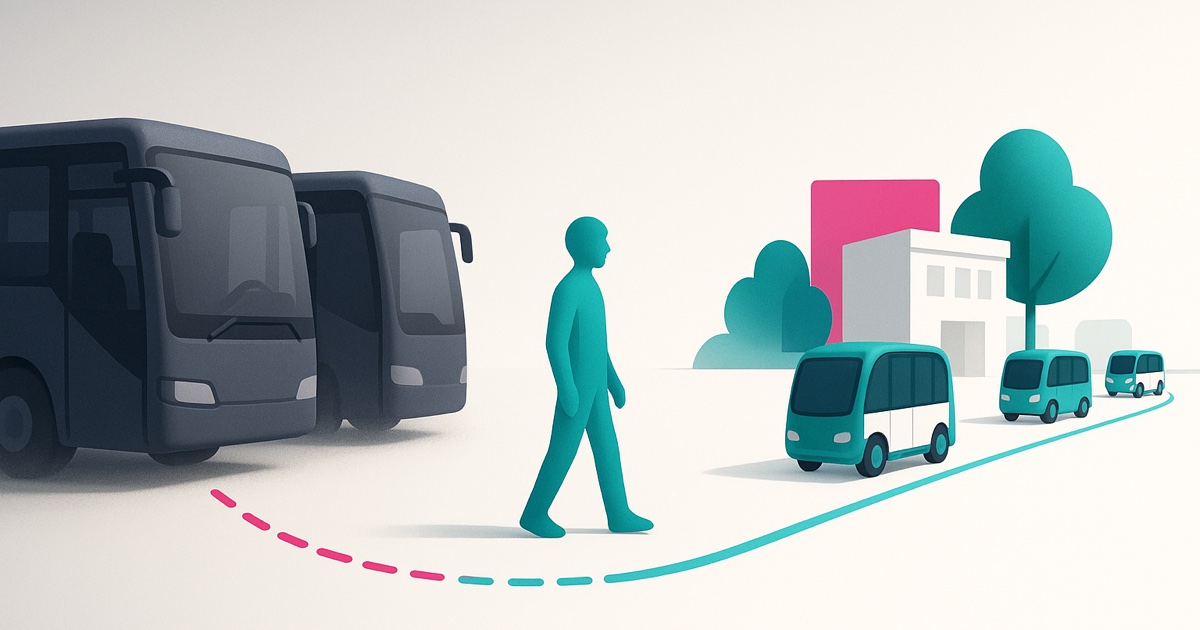
Universities nationwide are struggling to maintain bus service as CDL-licensed drivers become increasingly scarce. Smaller electric vehicles offer a way forward.
The commercial driver's license (CDL) shortage is one of the most persistent workforce challenges in American transportation, and it is hitting university campus transit systems with particular force. While national media coverage tends to focus on long-haul trucking and school bus shortages, colleges and universities are quietly dealing with the same crisis: they cannot find enough qualified drivers to operate their campus bus fleets.
The consequences are showing up in reduced route frequency, eliminated evening and weekend service, longer wait times, and in some cases, the complete suspension of shuttle routes that students and staff depend on. Understanding the scope of this problem and the alternatives available is critical for campus administrators responsible for transportation planning.
The Scale of the Problem
The American Trucking Associations has described a large national CDL driver shortage, one projected to keep growing if current trends continue. While those figures reflect the trucking industry specifically, the transit sector draws from the same labor pool and faces the same demographic headwinds.
The CDL workforce in the United States skews older. Retirements are outpacing new entrants by a significant margin. Federal regulations set a minimum age for interstate operation, and the training pipeline is slow: obtaining a CDL typically requires weeks of classroom and behind-the-wheel instruction plus supervised driving hours, and many first-time test takers do not pass.
For universities, the labor market competition is especially unfavorable. Campus bus drivers typically earn significantly less than what CDL drivers can command in trucking, charter bus service, or municipal transit. Universities are essentially competing for the most price-sensitive segment of an already scarce labor pool.
How Campus Transit Is Being Affected
The operational impacts are widespread. Campuses running bus-based transit compete for CDL holders with freight carriers, municipal transit agencies, and school districts, and when those positions sit unfilled the result is reduced service.
Specific impacts include:
- Route frequency reductions, with headways stretching well beyond what riders will tolerate
- Elimination of evening, weekend, and late-night service, precisely the hours when student demand for safe transportation is highest
- Cancellation of routes serving off-campus housing, satellite facilities, and nearby commercial areas
- Increased overtime costs for existing drivers, leading to fatigue concerns and higher turnover
- Reliance on temporary staffing agencies that charge premium rates and cannot guarantee consistent service
For students, these service reductions translate into longer commutes, missed classes, reduced access to campus resources, and safety concerns when walking in areas that shuttles previously served. For universities, they translate into student dissatisfaction, lower retention rates, and reputational damage.
Why the Problem Is Structural, Not Cyclical
It would be convenient to attribute the CDL shortage to temporary factors like pandemic-era workforce disruptions, but the data tells a different story. The shortage has been growing steadily since 2015 and shows no signs of reversing. The underlying drivers are demographic (an aging workforce), regulatory (CDL requirements have become more stringent over time), and economic (other industries offer better compensation for the same license).
Universities cannot solve this problem by offering slightly higher wages. Even significant pay increases often fail to attract candidates because the fundamental supply of CDL holders is declining relative to demand across all sectors. Raising campus bus driver pay enough to matter would strain most university transportation budgets, and it still may not be competitive with trucking or municipal transit.
A Different Approach: Vehicles That Do Not Require CDL Drivers
The CDL requirement is tied to vehicle size and passenger capacity. Under federal regulations, a CDL is required to operate any vehicle above set thresholds for passenger capacity or gross vehicle weight rating (GVWR). Most university campus buses fall squarely into CDL territory: they are large, heavy vehicles designed for high-capacity operation.
Low-speed electric vehicles (LSVs) and small electric shuttles operate well below CDL thresholds. Drivers need only a standard driver's license, a clean driving record, and completion of a vehicle-specific training program. This opens the labor pool from the limited number of CDL holders in a given metro area to the far larger pool of licensed drivers.
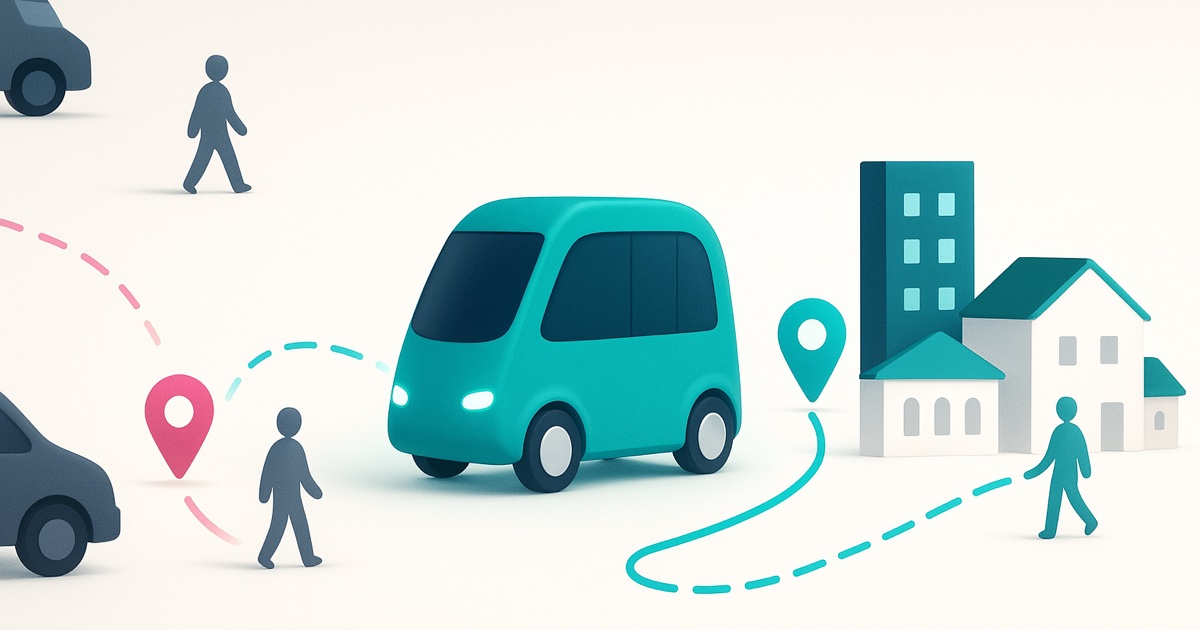
The operational model shifts from fewer large vehicles making infrequent loops to more small vehicles providing frequent, responsive service. Instead of one large bus running a long loop, a campus might deploy several small electric vehicles providing on-demand service with short average wait times.
Comparing the Two Models
Critics of smaller vehicles point to lower per-vehicle capacity, but this concern misunderstands how campus transit actually functions. Large campus buses rarely operate at capacity except during the narrow class-change windows at major universities. For the vast majority of operating hours, a full-size bus is carrying a small fraction of its capacity, meaning the vehicle is dramatically oversized for actual demand.
Smaller electric vehicles right-size the capacity to match real ridership patterns:
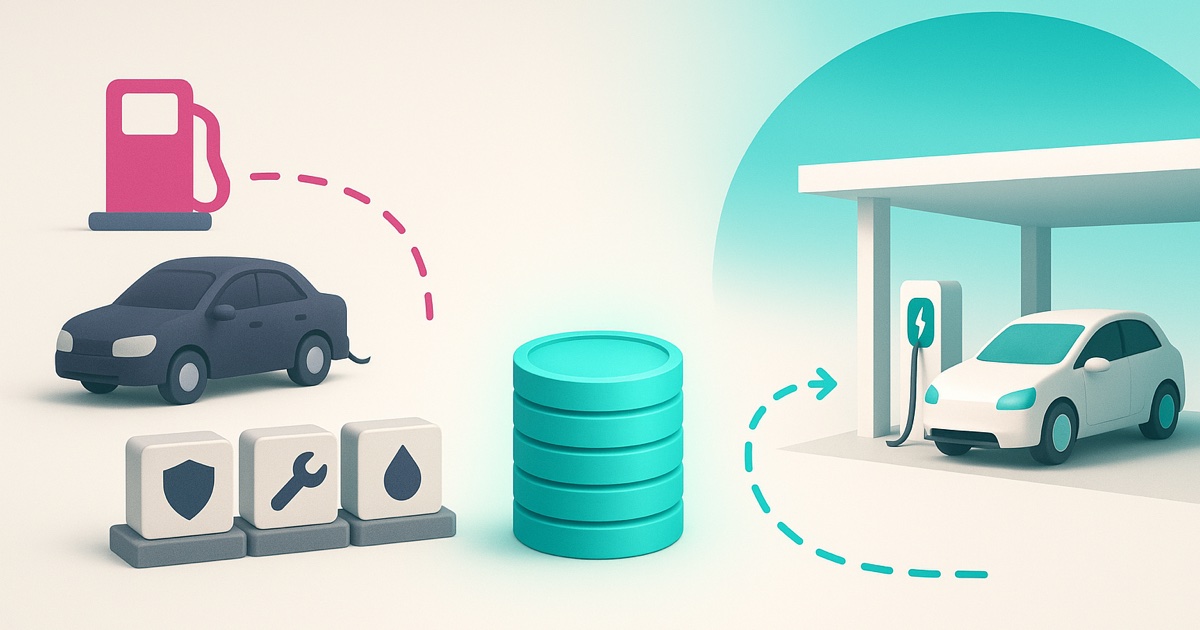
- Capital cost per vehicle: an electric LSV costs a fraction of what a diesel or CNG campus bus costs
- Annual driver cost: lower for a non-CDL driver than for a CDL driver
- Fuel/energy cost per mile: far lower for electric than for diesel
- Maintenance cost per mile: lower for electric than for a diesel bus
- Driver hiring timeline: non-CDL positions fill far faster than CDL positions
When total cost of ownership is calculated across a five-year period, a fleet of small electric vehicles providing equivalent or better service coverage typically costs substantially less than a traditional bus fleet. What a specific campus program costs depends on fleet size, service hours, vehicle type, and service model. Discuss your project.
Real-World Implementation
Universities that have transitioned to electric LSV-based transit report several consistent outcomes. Driver recruitment becomes dramatically easier, with most positions filled quickly versus months of searching for CDL drivers. Service reliability improves because there is no longer a single point of failure when one driver calls in sick. Student satisfaction increases because on-demand service with short wait times is preferred over fixed-route buses with long headways.
Slidr currently operates electric transit programs at multiple universities, and in every case, the transition from CDL-dependent bus service to non-CDL electric vehicle service has resulted in better service metrics, lower costs, and a more sustainable operational model.
Planning the Transition
For university administrators considering this approach, the transition does not need to be all-or-nothing. Many institutions begin by supplementing their existing bus service with electric vehicles on routes where CDL driver shortages are causing the most disruption. Late-night safe ride programs, which are perpetually understaffed, are a common starting point. As the electric fleet proves its value, it gradually takes over additional routes.
The CDL driver shortage is not going away. Universities that wait for the labor market to correct itself will continue to see service degrade. Those that adapt their transit model to the workforce reality will find that the alternative is not just more practical but delivers a better experience for the students they serve.