The single most common objection we hear from hotels, universities, and communities considering a shuttle program is cost. It is a legitimate concern. Running a professional transit operation involves vehicles, drivers, insurance, maintenance, technology, and management overhead. Depending on fleet size and hours of operation, annual costs can range from $80,000 for a small hotel program to $500,000 or more for a large university deployment. Those numbers stop many organizations before they even start exploring options.
But what if there were a way to offset those costs significantly, sometimes entirely, without raising fees, dipping into reserves, or asking riders to pay per trip? That is exactly what Slidr's sponsorship model is designed to do.
The Basic Concept: Advertising Meets Transit
The premise is simple. Slidr shuttles are highly visible vehicles that operate in concentrated, high-traffic environments. A shuttle circulating through a resort district, a university campus, or a master-planned community is seen by thousands of people every day. That visibility has real advertising value.
Local businesses, restaurants, retailers, service providers, real estate agents, medical practices, and others are willing to pay for that exposure, especially when the audience is hyper-local and highly relevant. A seafood restaurant near a beachfront hotel wants to reach the exact tourists riding that hotel's shuttle. A pizza delivery shop near campus wants to reach the exact students using the campus transit system. A home services company wants to reach the exact homeowners living in a planned community.
Slidr packages this advertising opportunity and sells it to local sponsors. The revenue generated flows back into the shuttle program, reducing the net cost to the host organization.
Where Sponsors Appear
Sponsorship placements are available across two primary channels:
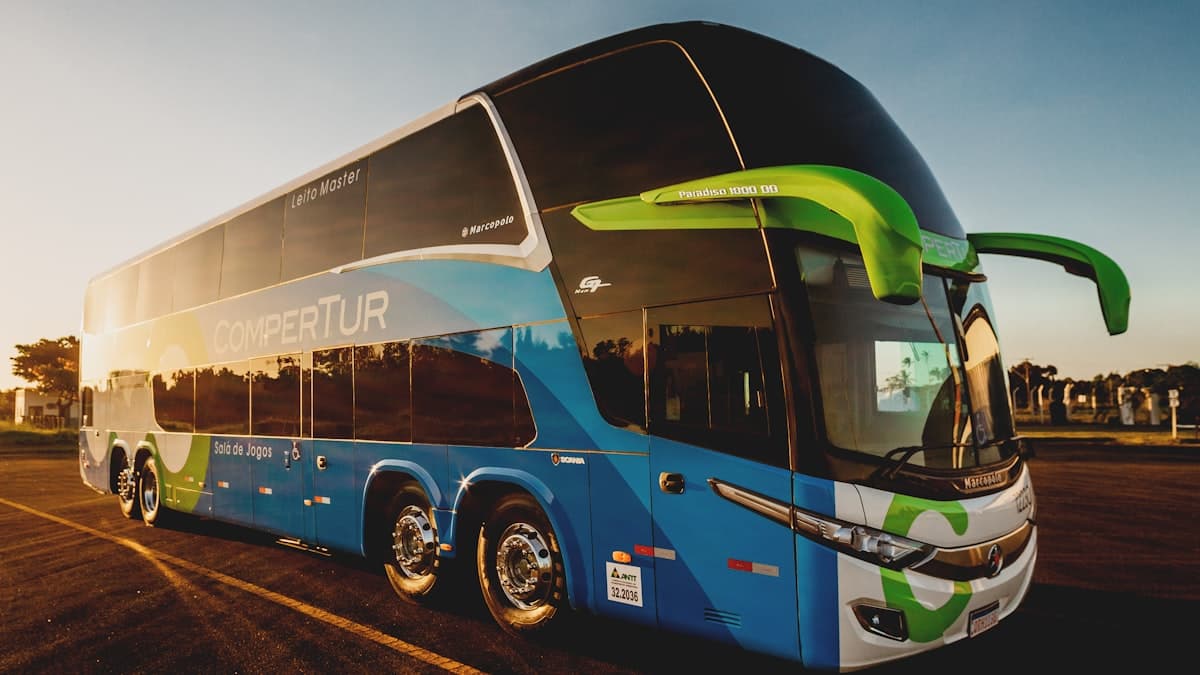
- Vehicle wraps and signage: Sponsors can place branded graphics on the exterior of Slidr shuttles. These range from small logo placements on the vehicle's rear panel to full wraps that cover the entire vehicle. Interior placements, such as branded seat backs or dashboard cards, are also available. Vehicle advertising is effective because shuttles operate on consistent, visible routes and are inherently eye-catching, especially our electric vehicles, which draw attention due to their distinctive design.
- In-app advertising: Riders using the Slidr app to request rides or track shuttle locations see sponsored content integrated into the experience. This might be a banner ad for a nearby restaurant, a push notification offering a discount at a local shop, or a sponsored listing on the app's local recommendations page. In-app advertising is powerful because it reaches riders at the exact moment they are thinking about where to go and what to do.
The Revenue Model: How the Numbers Work
Let us walk through a realistic example. Consider a mid-size hotel shuttle program in a Florida resort town. The program operates two vehicles, runs 12 hours per day, and costs the hotel approximately $120,000 per year under a standard Slidr service agreement.
Slidr's sponsorship team identifies 8 to 12 local businesses interested in advertising. Sponsorship packages are tiered:
- Platinum sponsors ($1,500 to $2,500/month): Full vehicle wrap on one shuttle plus premium in-app placement. Typically one or two sponsors at this level.
- Gold sponsors ($750 to $1,200/month): Partial vehicle graphic plus standard in-app banner. Typically three to four sponsors.
- Silver sponsors ($300 to $600/month): Interior signage plus in-app listing. Typically four to six sponsors.
In a moderately successful sponsorship program, total monthly revenue ranges from $6,000 to $12,000. Annually, that translates to $72,000 to $144,000. Against a $120,000 program cost, sponsorship revenue can offset 60% to 100% of the total expense. In the best cases, the program actually generates net revenue for the host organization.
Why Sponsors Say Yes
Sponsorship programs only work if sponsors see value. Here is why they do:
- Hyper-local targeting: Unlike a billboard on the highway or a Google ad that reaches anyone within a 25-mile radius, shuttle advertising reaches people who are physically present in the sponsor's market. A restaurant sponsoring a hotel shuttle knows that every rider is a tourist actively looking for dining options within a two-mile radius.
- Captive audience: Riders on a shuttle have limited distractions. A five-minute ride is five minutes of exposure to interior signage, branded materials, and in-app content. Engagement rates for in-app shuttle advertising consistently outperform standard mobile display ads, with click-through rates averaging 3.2% compared to the industry average of 0.35%.
- Community goodwill: Sponsoring a community shuttle or a university safe-ride program generates significant goodwill. It positions the sponsor as a business that supports the local community, not just one that advertises to it. For local businesses competing against national chains, this association is invaluable.
- Measurable results: Slidr provides sponsors with monthly reports showing impressions, in-app engagement, and where possible, conversion tracking. Sponsors know exactly what they are getting for their investment.
Revenue Sharing: How It Works for Partners
Slidr manages the entire sponsorship sales process, from prospecting and pricing to creative production and reporting. The host organization (hotel, university, or community) does not need to sell ads or manage sponsor relationships. That is our job.
Revenue is shared between Slidr and the host organization according to a straightforward formula defined in the service agreement. In most cases, sponsorship revenue is applied as a credit against the monthly service fee. If sponsorship revenue exceeds the service fee in a given month, the surplus is either banked against future months or paid out to the partner, depending on the agreement structure.
This model aligns incentives perfectly. Slidr is motivated to sell sponsorships because it increases our revenue. The host organization benefits because every dollar of sponsorship revenue reduces their out-of-pocket cost. And sponsors benefit because they get access to a highly targeted, engaged audience at a fraction of the cost of traditional advertising.
Real-World Results
Across our portfolio, sponsorship revenue offsets an average of 45% of total program costs. For programs in high-tourism areas like Naples, Florida, that number climbs to 70% or higher. Several of our hotel partners operate their shuttle programs at zero net cost thanks to robust local sponsorship markets.
University programs present an even larger opportunity. College towns are dense with businesses competing for student spending. Pizza shops, clothing stores, barbershops, tutoring services, and apartment complexes are all eager to reach students. A campus shuttle that serves 20,000 rides per month represents an advertising platform that local businesses simply cannot get anywhere else.
Getting Started
If cost has been the barrier preventing your organization from launching a shuttle program, sponsorship revenue changes the calculus. The first step is understanding your local market's sponsorship potential, and that is something Slidr's team can assess quickly. We evaluate the local business density, the anticipated ridership volume, and the competitive advertising landscape to project realistic sponsorship revenue before you commit to a program.
Transportation should not be a cost center. With the right model, it can be a self-sustaining amenity that enhances your guest, student, or resident experience while generating real business value for your local partners.