The debate about whether electric vehicles are ready for mainstream adoption usually focuses on passenger cars and long-distance travel. That debate involves legitimate questions about range, charging infrastructure, battery costs, and consumer behavior. But in short-distance transit, those questions have already been answered. The case for electric vehicles in routes under five miles is not emerging. It is settled.
At Slidr, we operate electric fleets in short-distance transit environments every day. The data from our operations, combined with industry research, makes a compelling case that electric vehicles are not just viable for short-distance transit but are categorically superior to their gasoline counterparts.
Range vs. Route: The Math Works
The primary objection to electric vehicles has always been range. A typical consumer worries about whether their EV can make a 300-mile road trip. That concern is irrelevant in short-distance transit, where the operational reality is fundamentally different.
A typical microtransit or shuttle operation runs routes of 1 to 5 miles, completing 20 to 40 round trips per day. Total daily mileage ranges from 40 to 100 miles. Even the most basic electric low-speed vehicle has a range of 30 to 50 miles per charge, and higher-specification models reach 80 to 100 miles. This means that a mid-range electric shuttle can complete an entire day of operations on a single charge, with reserve capacity to spare.
For operations that run longer hours or higher daily mileage, midday opportunity charging during low-demand periods can extend effective range to 150+ miles per day. Modern lithium-ion batteries can recover 50-80% of their capacity in 2-3 hours of charging, making a lunch-period charge session highly effective.
The mismatch between the range anxiety narrative and the operational reality of short-distance transit is significant. We have never had a vehicle run out of charge during operations. Not once. The range requirements of our routes are so far within the capabilities of our vehicles that range is simply not an operational consideration.
Charging Infrastructure: Simpler Than You Think
One of the most common concerns we hear from prospective clients is about charging infrastructure. They imagine expensive Level 3 DC fast chargers, complex electrical upgrades, and dedicated charging stations. The reality for short-distance transit is far simpler.
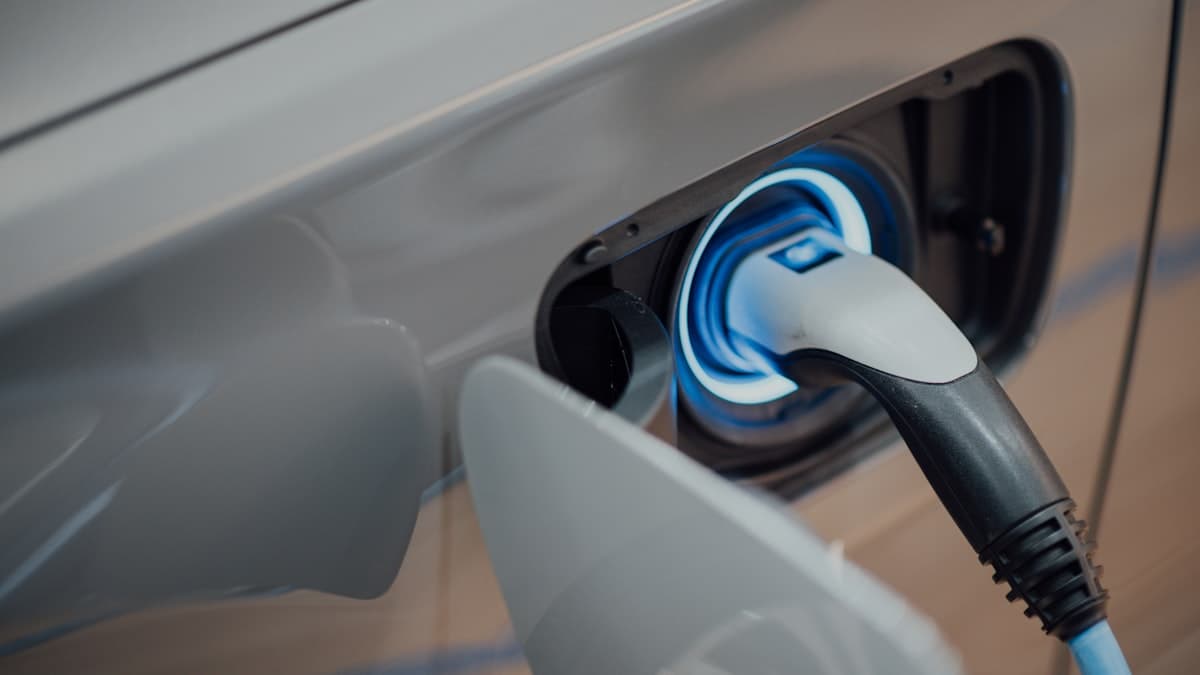
Low-speed electric vehicles charge on standard 110V or 220V outlets. A 220V outlet, the same type used for a household clothes dryer, can fully charge a shuttle vehicle in 6 to 8 hours. Since our vehicles operate during the day and charge at night, we simply need standard outlets at the location where vehicles are stored overnight.
The electrical cost of charging is negligible. At the average U.S. commercial electricity rate of approximately $0.10 per kWh, a full charge costs between $1.00 and $2.50 depending on battery capacity. Compare this to $8 to $15 to fill a gasoline-powered shuttle van. Over a 300-day operating year, the fuel cost difference per vehicle is approximately $2,500 to $4,000.
For clients who want to install dedicated charging stations, Level 2 chargers cost between $500 and $2,500 per unit including installation, and they reduce charge times to 3-5 hours. Many states and utilities offer rebates that cover 50-75% of installation costs. The infrastructure investment, when it is needed at all, pays for itself within the first year of operation.
Maintenance Economics: The Invisible Savings
Maintenance is where the economic case for electric vehicles becomes truly compelling, and it is the factor that most fleet operators underestimate.
An internal combustion engine has approximately 2,000 moving parts. An electric motor has roughly 20. This difference in mechanical complexity translates directly into maintenance costs and vehicle downtime. Electric vehicles do not require oil changes, transmission service, spark plug replacement, timing belt service, exhaust system repairs, or radiator maintenance. The primary maintenance items for an electric shuttle are tires, brakes, and suspension components, the same wear items as any vehicle, minus the entire drivetrain service schedule.
Our fleet data shows that maintenance costs for electric shuttles average $0.04 to $0.06 per mile, compared to $0.12 to $0.18 per mile for comparable gasoline vehicles. On a vehicle that operates 50 miles per day for 300 days per year, that is an annual maintenance savings of $1,200 to $1,800 per vehicle.
Perhaps more importantly, electric vehicles experience significantly less downtime. A gasoline vehicle that needs transmission work may be out of service for 3 to 5 days. Electric vehicles rarely experience the kind of mechanical failure that requires extended shop time. Our fleet uptime rate exceeds 97%, meaning our vehicles are available for service 97% of scheduled operating days.
Noise Reduction: An Underappreciated Advantage
In the transportation industry, noise is typically treated as an afterthought. In the environments where short-distance transit operates, it is a primary concern.
Hotels do not want a diesel shuttle idling outside the lobby at 7 AM. Residential communities do not want a gasoline-powered circulator rumbling past homes every 15 minutes. University campuses do not want bus noise disrupting outdoor lectures and study spaces. Hospital campuses need quiet vehicles for patient transport areas.
Electric vehicles are nearly silent at the speeds relevant to short-distance transit, typically 15 to 25 mph. The only audible sound is tire noise on pavement and, at very low speeds, the subtle hum of the electric motor. This acoustic profile makes electric vehicles uniquely suited for noise-sensitive environments.
We have found that noise reduction is often the benefit that our clients mention most frequently after implementation, even though it rarely appears in their initial evaluation criteria. Once you operate an electric fleet in a hotel or residential environment, the idea of going back to gasoline vehicles becomes unthinkable purely on the basis of noise.
Passenger Experience
Beyond the operational and economic arguments, electric vehicles deliver a materially better passenger experience in short-distance transit applications. The absence of engine vibration, exhaust smell, and mechanical noise creates a ride quality that passengers consistently prefer. In our post-ride surveys, guests rate the ride experience in electric shuttles an average of 4.8 out of 5.0, compared to industry benchmarks of 3.8 to 4.2 for traditional shuttle services.
The open-air design of many electric low-speed vehicles adds another experiential dimension. Passengers can see, hear, and feel the environment they are traveling through. In scenic locations like resort towns and university campuses, this transforms the ride from a utilitarian transfer into a pleasant experience in its own right.
The Bottom Line
When you combine lower fuel costs, reduced maintenance expenses, simplified charging infrastructure, noise elimination, and superior passenger experience, the total cost of ownership for electric vehicles in short-distance transit is 35-50% lower than gasoline equivalents, with a better product delivered to the end user.
The only remaining question is speed of adoption. As battery costs continue to decline, projected to fall another 30-40% by 2025, and as municipalities implement stricter emissions and noise regulations, the economic and regulatory environment will only become more favorable for electric transit. Operators and clients who make the transition now will have a significant head start over those who wait.