The Amenity Arms Race: What Hospitality Properties Are Adding (And What They're Missing)
There's a pattern to how amenity investment cycles work in hospitality, and understanding it is worth real money to whoever figures it out first.
Stage 1: A pioneering property adds something distinctive. Guests love it. It shows up in reviews. It drives bookings.
Stage 2: Trade press writes about it. Conference presentations get built around it. Competitors take note.
Stage 3: Every property in the competitive tier adds the same thing within 18–36 months. The amenity transitions from differentiator to table stakes. Guests who don't find it become dissatisfied; guests who find it aren't particularly moved.
Stage 4: Someone figures out what's next.
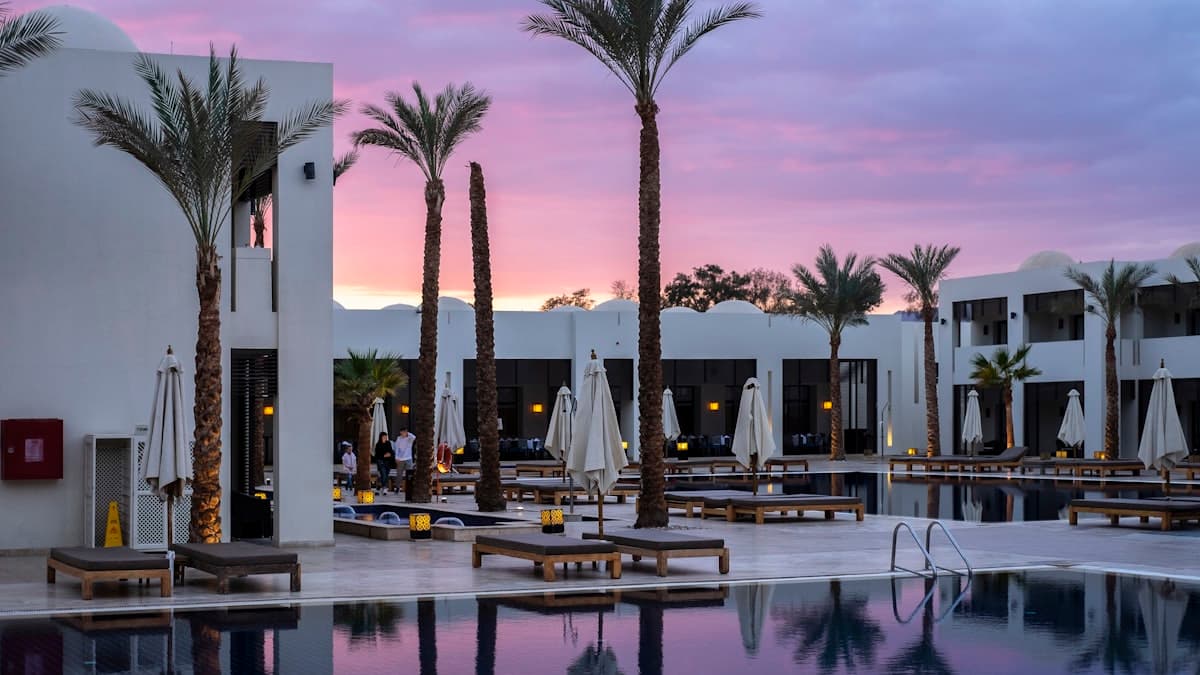
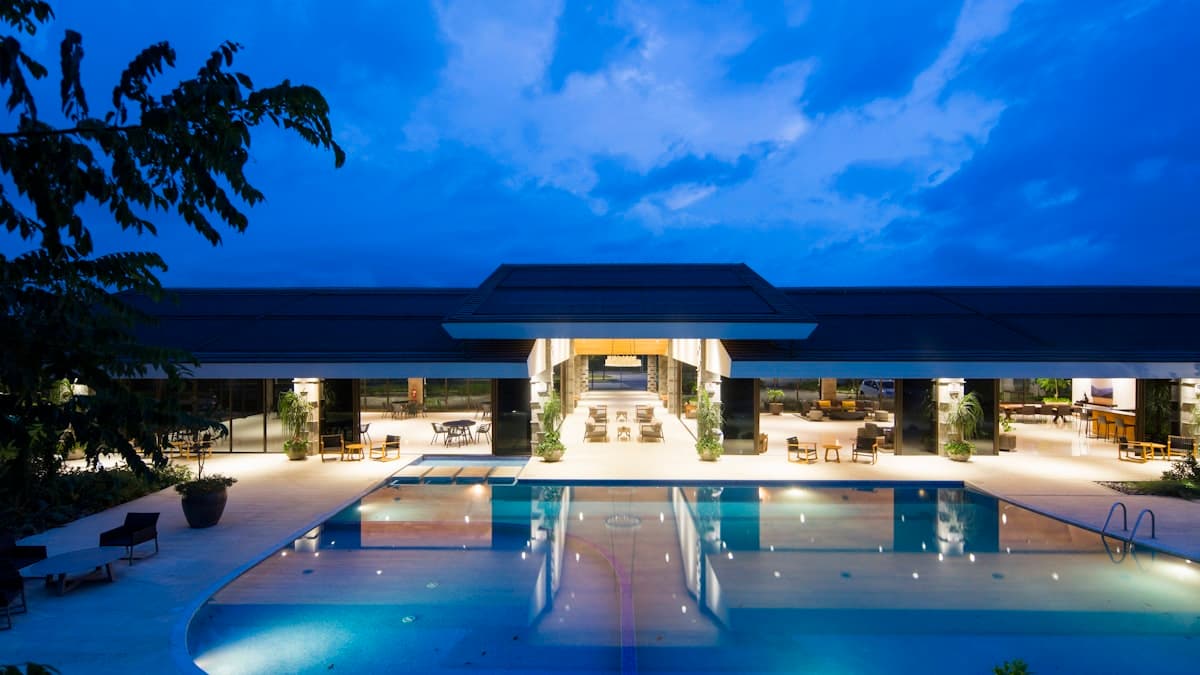
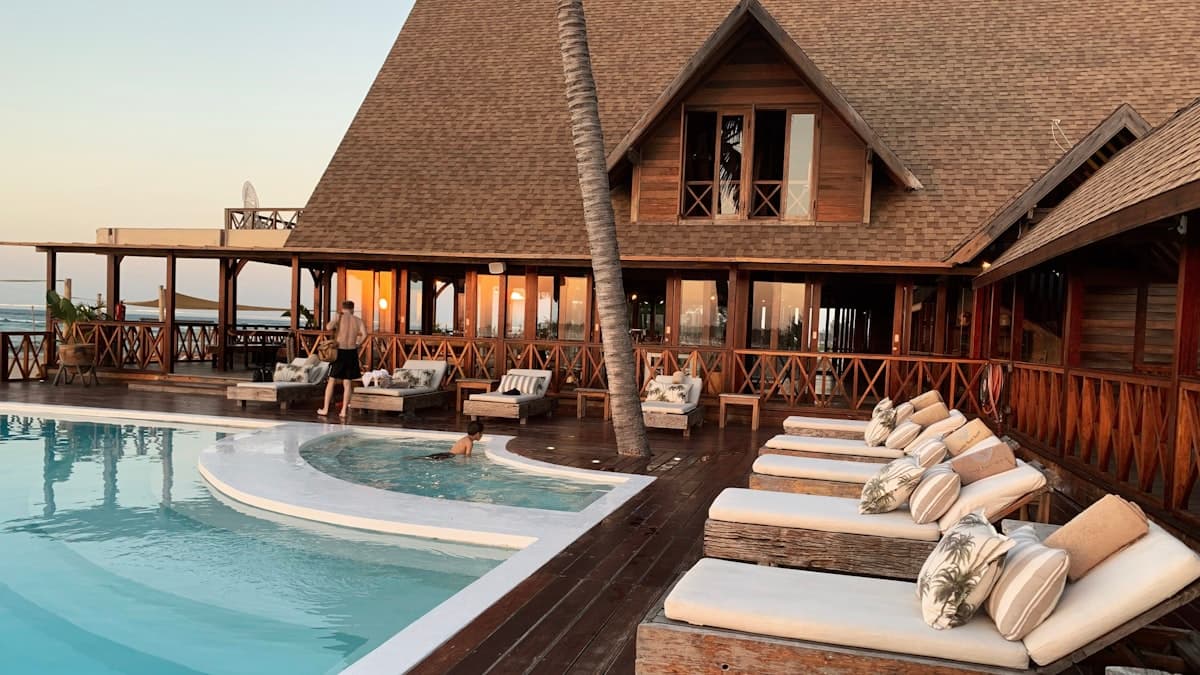
We are currently in Stage 3 of the amenity cycle for: resort-style pools, spa facilities, farm-to-table dining concepts, pickleball courts, and EV charging stations. These were differentiators. They are now expected. Properties without them are competitively disadvantaged; properties with them are merely meeting baseline expectations.
The question worth millions is: what's in Stage 1 right now?
The answer, for anyone paying close attention to guest feedback data and booking behavior, is seamless on-demand guest transportation.
Why Transportation Is the Category Everyone Is Sleeping On
Walk through the logic:
Market penetration is low. The vast majority of upper-upscale and luxury resort properties in competitive leisure markets do not offer on-demand electric shuttle service. Some offer a fixed-schedule airport transfer. Some have a relationship with a third-party car service that guests call themselves. Almost none offer what guests actually want: frictionless, on-demand rides that feel like a natural extension of the property experience.
Guest demand is documented and growing. Across multiple guest satisfaction surveys in the upper-upscale and luxury hotel segments, transportation-related friction (getting to/from the beach club, moving between property areas, accessing nearby dining without renting a car) consistently ranks among the top sources of guest dissatisfaction. This isn't a fringe complaint. It's a systemic gap.
The ROI profile is exceptional. Infrastructure amenities require capital expenditure: a pickleball facility costs $200,000–$500,000 to build and then requires maintenance, staffing, and eventual renovation. A fully managed electric shuttle program requires zero capital outlay. The operating partner brings vehicles, drivers, insurance, and technology. The investment is operational, not capital, which means it hits differently on the balance sheet.
First mover advantage is real. In markets where one property introduces on-demand electric shuttle service before competitors, the reviews reflect it. "This place has its own little fleet of electric shuttles. They took us to dinner three nights in a row and brought us back" is a review that spreads. It shows up in social posts. It drives bookings from guests who've never stayed at the property but have read about it.
What the Amenity Investment Cycle Looks Like Right Now
Here's a rough mapping of where hospitality amenities sit in the cycle in 2026:
Late Stage 3 (table stakes, no longer differentiating):
- Spa and fitness center
- Premium bedding and bath products
- Farm-to-table or local sourcing restaurant concept
- Resort-style pool with cabana service
Early Stage 3 (differentiating for another 18–24 months, then not):
- Pickleball courts
- EV charging stations
- Wellness programming (yoga, meditation, guided fitness)
- High-quality pet amenities
Stage 2 (early adopters getting coverage, competitors noticing):
- On-demand electric shuttle service
- Curated local experience programming
- Tech-forward room personalization
Stage 1 (pioneering properties, not yet widely understood):
- AI-driven guest service personalization
- Full sustainability certification (not just green claims)
If you're building your amenity strategy around what's in Stage 3, you're playing catch-up. If you're moving into Stage 2 now, you're buying 18–24 months of genuine differentiation. The properties that are adding on-demand electric transportation today are capturing that window.
The ROI Case for Transportation as the Overlooked Category
Let's look at what operators of hospitality shuttle programs typically observe.
Properties that have operated Slidr hospitality programs report a consistent set of outcomes: meaningful monthly guest ridership, cost efficiencies compared to prior transportation approaches, and brand media value generated by guest posts, reviews, and organic social content. The Slidr program at the DoubleTree by Hilton in Myrtle Beach was one such example, where the shuttle operated as a guest amenity and a marketing asset at the same time. For operators executing the model well, the media value alone tends to cover the operational cost of the program, before factoring in guest satisfaction uplift or repeat booking rate improvement.
That is not a promise about every property. It is an indication of what is achievable when the model is executed well. The mechanism works because:
- Guest transportation generates organic content. A guest in an electric VW ID.Buzz being shuttled to a sunset dinner takes a photo. That photo has a caption. That caption goes somewhere. A guest who took a cab to the same dinner doesn't document it.
- Transportation extends the property experience. A guest who never has to leave the property "ecosystem" (because the shuttle goes where they need) spends more at the property. F&B spend, spa bookings, and activity revenue all increase when guests aren't spending mental energy figuring out how to get somewhere.
- Reviews mention it specifically. Transportation is a review magnet in a way that complimentary breakfast isn't. "They had these amazing little electric shuttles" appears in reviews with striking regularity at properties that run the service well. Reviews drive future bookings. Future bookings drive revenue.
The Counterargument (and Why It Doesn't Hold)
The objection most GMs raise: "We've looked at transportation before. The operational complexity is too high. We'd have to hire drivers, buy vehicles, carry the insurance. It's not our business."
This objection was valid five years ago. It's not valid now.
A fully managed electric shuttle program means the partner brings everything: vehicles, drivers, insurance, dispatch technology, route design, and ongoing operations management. The property defines the service parameters: when it runs, where it goes, what the brand experience looks like. The partner executes.
There's no fleet to buy. No drivers to hire. No insurance to carry. No dispatch center to build.
The property adds an amenity that guests talk about. The partner handles the operational complexity that GMs don't want to touch. That's the model.
The Window Is Real
Amenity cycles don't wait. The properties that added pickleball in 2019 got two years of differentiation. The ones that added it in 2022 got a year. The ones adding it now are playing defense.
Transportation is in the window. The properties that move in the next 12–18 months will capture disproportionate benefit. The ones that wait for the market to mature will spend the next decade explaining why they don't offer something that their competitors launched three years ago.
Ready to get ahead of the cycle? Let's talk about what a fully managed electric shuttle program would look like for your property. Email sales@rideslidr.com or visit rideslidr.com. We have been building these programs since 2016. Over 1M rides across 30+ communities in 10+ states. We know what works.